

In March 2020, New Zealand and many other countries around the world moved into lockdown in response to the COVID-19 pandemic, to help health services cope with the rising number of cases.
New Zealand shifted to Alert Level 4, meaning only essential services stayed open to protect the country and slow the spread of the virus.
Public spaces closed and most Kiwis were confined to their homes, only able to leave for groceries or other essential tasks. Physical contact was limited to the people we already lived with.
Most families were either thrust into an early-holiday-type scenario or found themselves guiding their kids through schoolwork at home, in books or online.
The news of school closures and lockdown came as a shock to many parents, who suddenly had to figure out how to juggle their own jobs with kids needing supervision at home.
Many parents and carers also had to work from home, or found themselves facing the boredom and frustration that containment without purpose can bring.
Our family was suddenly all in a small space full-time together again, developing new routines and dealing with a lot of uncertainty.
We didn’t have the things we were used to. We didn’t have peace and quiet as we worked. We had the added demand of the kids’ questions and needs too.
One of us was especially busy at the time, supporting online learning for the school he worked at as they rapidly adapted to distance learning.
Events and services around us had been cancelled and closed.
We were socially distancing. We were tired and a bit shocked by how sudden it all was, but we wanted to get through it well by showing love and kindness to others.
So in those unprecedented times, how did we thrive in close quarters when we were holed up for so much of the week with only occasional solitary walks?
We didn’t have all the answers, but here are ten things that helped our family through it.
1. We Made a Plan

With everyone at home all day, experts suggested that structuring your day could help. Thinking and planning ahead helped us feel more prepared and less anxious.
We thought through a normal week: how it might be affected, and what we’d need to do to solve it. We used a board to share the weekly outline, including breaks and jobs to be done.
It was also worth talking with your employer, understanding your sick pay and benefit rights, and preparing some essentials for time at home.
2. We Stuck With Routines

We stuck to our daily plans and routines as much as we could. Get up. Take a shower. Eat meals at set times. Set up a work space.
We set tasks for each day, and on days without much on, it was a good time to finally sort the back of the wardrobe or tackle the weeds in the garden.
For the kids, we made sure their learning still happened, but shifted the timing to better suit our day, getting into subjects together — reading, researching, writing, or playing.
3. We Used Online Resources
With the library closed, we borrowed books online through apps like Libby, Wheelers, or BorrowBox, signing up with our library card after downloading the app.
Auckland Libraries used Libby and Overdrive at the time; other districts had their own preferred apps. These free apps could be downloaded to a smartphone, iPad, or tablet.
You’d enter your library card number, then freely borrow from the digital collection — magazines, ebooks, and audiobooks.
Borrowed items usually sat on your ‘shelf’ for three weeks before returning themselves automatically, so there were never any overdue charges. Popular items sometimes had a queue, in which case you’d place a hold and wait for it to become available.
What we loved about Libby was that you could search all genres, see the book covers, and read a blurb to help decide. There was also a growing selection of audiobooks, handy for listening while driving, cycling, or sunbathing.
Plenty of online reading services offered free access during that period too, including Kindle and Audible promotions.
One major change with lockdown was losing access to clubs and lessons. Many people turned to Skype, Zoom, or similar apps to teach or receive lessons virtually — we knew a music teacher who made this work well.
Many schools adopted a virtual learning platform too. Our sons’ school embraced Microsoft Teams, and the staff used it well to deliver timetabled lessons for the senior students, complete with a chat feature so the kids could stay connected with each other — though we found it worked best to allow that at set times only, with regular breaks away from devices.
4. We Planned Practical Things

We worked out how to get household supplies — asking neighbours or family friends, or finding a delivery service.
It was important to keep accessing treatment and support for any existing physical or mental health needs where possible, letting services know you were staying home and discussing how to keep receiving support.
For regular medication, many people were able to order repeat prescriptions by phone or online. Pharmacies could often deliver medicine, or someone else could collect it on your behalf.
If you supported or cared for others, either at home or by visiting regularly, it was worth thinking through who could help out while everyone stayed home.
5. We Followed Government Guidelines

Government health sources were the most reliable place to read about COVID-19 at the time, and it was worth fact-checking anything shared online before passing it on, since misinformation spread quickly too.
We followed government and supermarket guidelines, only shopping when we absolutely needed to, going alone where possible, and choosing quieter times to move through calmly.
It was also worth being wary of scam emails claiming to be about the coronavirus — the advice at the time was not to click links or buy anything from senders you didn’t recognise, and never to give money or personal details to a stranger, even one who knocked on your door offering help.
6. We Used the Time to Up-Skill and Take Online Courses

With extra time at home, it was a good opportunity to learn something new — cooking, a free online course, or a favourite hobby. Focusing on something new gave a heightened sense of purpose and satisfaction.
Udemy, Teachable, Coursera, and Khan Academy were all great sources of online courses.
Working from home successfully during that period changed the way a lot of people work today. If you’re keen to be location independent, productivity apps can help you get more done in less time. Some solid options: ToDoist, Calendar, CloudApp, HubSpot CRM, Slack, Trello, Hootsuite, Toggl, LastPass, HelloSign, and Zapier.
7. We Made Time for Recreation and Exercise
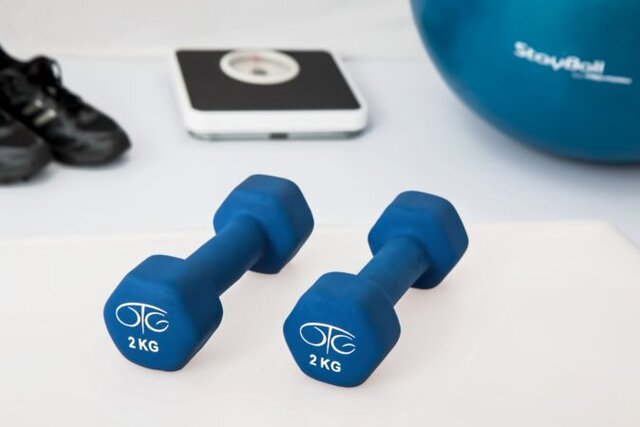
Physical health really affects how you feel — exercise is good for mental health because it helps you cope with stress.
As winter approached and everyone was confined indoors, the winter blues showed up for a lot of families, so eating well-balanced meals, drinking enough water, and exercising regularly all helped.
Getting some sunshine and Vitamin D boosted mood too, along with supplements like Zinc for immune support, and gargling salt water for sore throats.
Mindfulness, relaxation exercises, getting outside, and connecting with others also helped with feelings of frustration or anxiety.
Ideas for what we did:
- Went for a walk, run, or bike ride — solitary, or with those we lived with only.
- Stuck to the neighbourhood rather than parks or playgrounds when outside.
- Stayed off DOC campsites and huts (they were closed) but used urban pathways, which stayed accessible.
- Skipped hunting or hiking trips, especially overnight ones.
We started a family fitness challenge using an A-Z list of exercises. We wrote out our names and matched each letter to its equivalent exercise, then huffed and puffed our way through spelling them out daily. The kids loved it, and even added their middle and surnames — it’s an easy one to adapt with family, friend, or pet names.
For home workouts, Les Mills and other online workout programmes were popular, alongside meditation and mindfulness apps.
Avoiding smoking, drugs, and too much alcohol mattered too — it’s easy to fall into unhealthy patterns that end up making you feel worse. And of course, if you were unwell during isolation, staying inside was essential.
8. We Stayed Connected and Did Something Thoughtful for Others
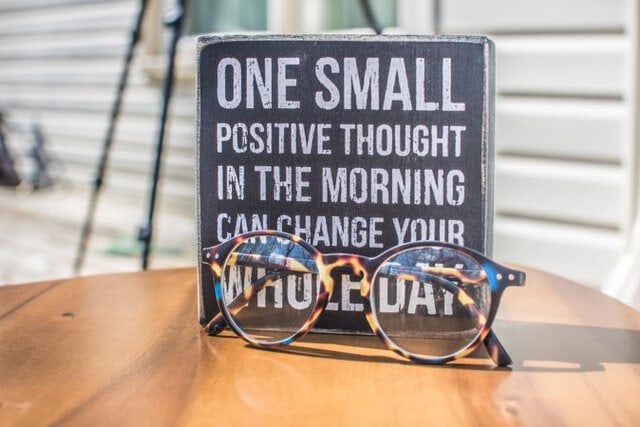
Being reassuring to friends, caregivers, and whānau mattered a lot, especially with kids — Michelle Dickinson put together good, accessible information at the time explaining COVID-19 for younger audiences.
Keeping in contact by phone helped too. We’d call neighbours to check in, especially elderly ones, and sometimes even scheduled a time to talk like a coffee catch-up.
Vulnerable or high-risk people were encouraged to stay fully home and ask friends, family, or whānau to drop off what they needed, or order supplies online.
One sweet, thoughtful gesture that spread around New Zealand at the time was placing a teddy bear in a front window — part of a worldwide initiative called We’re Not Scared, NZ Bear Hunt, giving kids something to spot on their daily walks.
9. We Looked After Our Mental Well-being
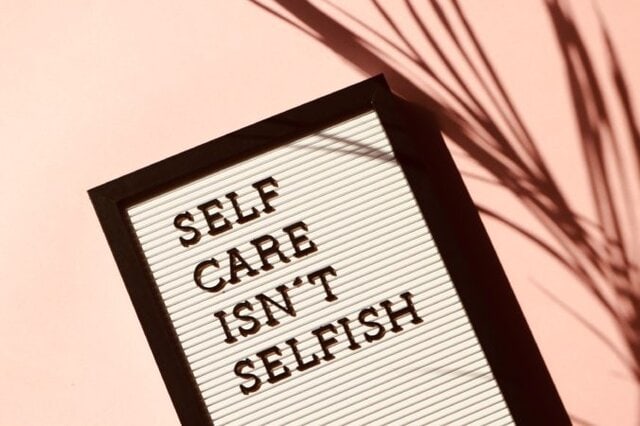
Being stuck at home made it important to take care of the mind as well as the body. Boredom, frustration, loneliness, or worry about finances and health were all common feelings during that time — and completely normal ones. Everyone reacts differently to challenging, uncertain events, and staying home while difficult was ultimately a way of protecting yourself and others.
A few things that genuinely helped:
Understanding employment and benefits rights
Money worries during lockdown had a big effect on mental health for a lot of families. Talking to employers about staying home and learning about sick pay and benefit rights early on helped reduce a lot of that worry.
Staying in contact with others

Maintaining healthy relationships with trusted people mattered for everyone’s well-being. Staying in touch via phone messaging, video calls, or online made a real difference — and often helped the other person just as much.
Talking about worries
It was extremely common to feel worried, scared, or helpless about the outbreak, and that was a completely normal response. Focusing on the things within your control — your own behaviour, who you spoke to, and how often you checked for updates — helped. Sharing concerns with someone you trusted, or a charity helpline, helped too.
Getting good sleep
Good-quality sleep made a big difference to how everyone felt, mentally and physically. Keeping a regular sleep pattern and healthy sleep habits helped, along with stepping away from the TV, statistics, and social media in favour of books, movies, and hobbies.
Building in self-care
Self-care — doing things that made you feel happy and relaxed — helped build resilience for handling everything else. Some things that helped our family:
- Creating a chill zone in the home for uninterrupted downtime
- A soak in the bath or spa
- Listening to sensory integration music on Spotify
- Caring for skin, nails, or hair
- Reading books or listening to audiobooks
- Recording three things to be grateful for, daily
- Keeping a journal
10. We Filled the Time With Fun Activities

With our usual public spaces unavailable during lockdown, we needed new ideas to keep everyone occupied. If you want a whole lot more activity ideas, we’ve written two other posts full of links and fresh ways to build skills and stay busy — this one has ideas for all ages, and this one is more focused on kids’ activities.
Here’s a variety of good activities anyone can enjoy at home:
- Read
- Play games
- Climb trees
- Make forts
- Scoot or ride bikes
- Dress up
- Dye hair
- Watch a free streamed show or performance
- Paint rocks and pictures
- Try some outdoor art
- Take a virtual zoo, museum, or landmark tour — many major institutions like the Metropolitan Museum of Art, the Vatican Museums, and the Smithsonian offer these year-round via Google’s Arts & Culture project
- Bake or cook up a storm
- Try some craft
- Watch programmes on Disney+ or Netflix
What helpful or fun things did your family find to do during lockdown? We’d love to hear about them in the comments.
We hope this post brought back some memories, or was a useful read either way. If it did, feel free to pin one of the images below to share.
Other great posts you might enjoy:

Meagan

Well researched and presented. Thank you.
Thanks! Writing posts does take a lot of time so thanks for your comment, it’ll keep me going!
Brilliant, thanks for this!
You’re so welcome 🙂