

What is Frugal Living?
Being frugal is about being careful when using money. It’s not about giving up all the things you love, but it is about knowing that your financial security isn’t inextricably linked to your pay, so it can give you the gift of freedom from worry over your finances.
Thrifty, spartan, and prudent are synonyms for frugal, a word that often has positive connotations when used to describe a person. As an example, a person who lives simply and economically by buying clothes at a charity shop would be considered frugal.
There’s no one-size-fits-all approach to frugality, as we all have unique circumstances and factors at play in our lives.
The most frugal approach of all is to buy nothing and make do with what you already own. But for the times when you legitimately do need something, sourcing it through the used market will save you money, time, and stress.
Extreme frugality may not be for you, but it’s almost certain that you can spend less overall than you have in the past or are right now.
And if you can reduce the amount of money you need to enjoy your version of the good life, the more you can save up, and the more freedom you have to pursue the life you want.
What Do Frugal People Do?

Frugal living comes as a result of many small changes and can take some time to implement once you decide to take ownership of your finances and get your debt under control.
Frugal living is about being intentional with your money, which means prioritising the things that are important to you and reducing your spending on things that aren’t as important.
Someone living a frugal lifestyle would likely do research to ensure they were getting the best price on an item they needed, then buy the best quality they could afford, because smart frugal people know that buying quality often costs less in the long term.
A frugal person would happily save money on things like buying everything new, fancy meals, and designer labels, so they can pay down their debts sooner and save, invest, or give more.
In this simplifying journey we’re on, I’ve found it’s important not to imbue my stuff with power it doesn’t deserve. Material objects themselves don’t bring us happiness, and they don’t indicate our success or our worth.
Instead of letting your spending prevent you from doing what you want with your life, let frugality help you sculpt the life you desire.
Why Live a Frugal Life – What’s In It For Me?

To live frugally, it’s important to know your why. It will help you make frugal choices when shiny new things are calling to you. Ask yourself questions like these:
- What will a more frugal lifestyle lead to for me?
- What are my dreams?
- What are my bucket list ideas or destinations?
- What would I do with my money if I were financially free?
I live frugally because it means faster financial freedom for me. It means less stress, more money to spend on the things I value, and an increased appreciation for simple living.
Because I live frugally, I shop and spend less, so I have less of a mountain of debt trying to drown me daily, plus I can now watch with satisfaction as my debt total drops, along with my thirst for materialism.
Frugality isn’t about deprivation for me, but it helps me focus on the things that matter most to us and spend on those things over others.
My frugality leads to more options in how I deploy my time and money, and it can make financial freedom a reality — it can do the same for you.
No one intuitively knows how to manage money, so congratulations on your efforts to educate yourself in how to live more frugally.
Spending less and earning more is the way to financial freedom and more time to do what you really want.
Here are my best frugal living tips to help you learn how to spend less and save more daily, weekly, monthly, and perhaps forever.
*Please note that I am not a trained financial professional, and I encourage you not to make serious financial decisions based solely on what one person on the internet advises.
Best Tips For How To Get Frugal & Save
Home & Family

For most people, the greatest ongoing monthly budgetary cost is accommodation. It was for us. But what can you do to save money in this area?
Down-scaling and de-cluttering are two of the best ways I know to simplify life, save heaps, and gain back more of the time and money freedom you desire.
One way to do this is to move from or sell the large home you have and get something smaller. Your mortgage repayments or rent will likely reduce, freeing up more of your income for your other goals.
If you don’t want to sell, you could rent out your house and use the money to pay off your mortgage while you live elsewhere for less.
Some people even rent out their homes and move across the world to stay in places with lower costs of living, like Malta, Thailand, or India. Could you do that?
Moving to cheaper areas or towns helps a lot, as rents and purchase prices are usually lower outside key metropolitan zones. Compare New York to Alabama. Food for thought.
We decided to downscale and are living in a much smaller space now, greatly reducing our accommodation costs. We’re renting out our house and living in our house bus.
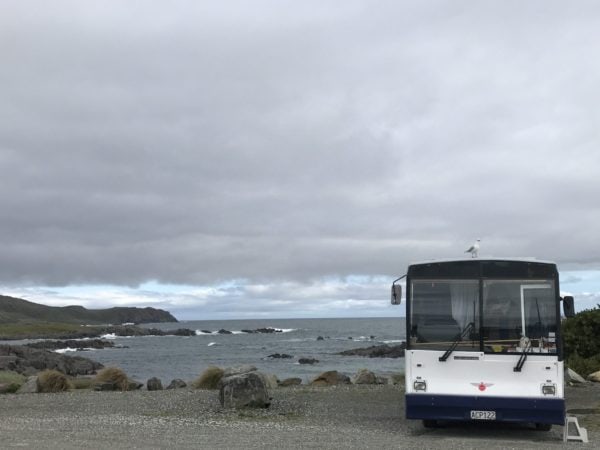
It’s getting us ahead quicker, as we’re currently able to put more of our earnings towards paying down our mortgage faster. This will mean freedom from debt for us sooner.
If down-scaling and living tiny isn’t for you, have you thought about other ways to spend less, like house sitting? It’s often free, though usually some pet care or other low-level management is traded for the free place to stay.
I know of newlyweds who’ve house sat after getting married to save up for their own first house faster. I also know of retirees roaming the country living in other people’s houses while they’re away.
House sitting is available worldwide, so choosing this option could also save you a lot on accommodation if you travel, and it works out extremely well if you work remotely, since location or proximity to work isn’t a big issue.
These websites can get you started: Kiwi House Sitters, House Sitters UK, or Trusted House Sitters USA. We joined Kiwi House Sitters while we travelled New Zealand and found their platform easy to use, with reviews from sitters and owners that help you choose where to stay.
There’s an annual fee for sitters to join their network, but for the price of one night’s accommodation we got weeks’ worth of free stays around the country, and my kids loved hanging out with their pets.
There are people travelling the world for almost nothing this way. Something to think about.
Power Savings
Kids are great to get on board with making savings, especially if you offer them incentives to do so.
I know of a man who offered his teen half of the savings he could make on their power bill.
Talk about motivation! Everyone wins, and that child learns valuable negotiation and money-saving skills to apply time and again in their own future.
If you’re looking for ways to cut your spending, power and utilities are a great place to start. Websites like Energy Efficiency provide a plethora of ways to lower your energy bill.
Easy things like replacing standard incandescent light bulbs with energy-efficient LEDs can save $100 or more a year on electricity in your house. Also, turn lights off when you’re not using them or you leave the room for an extended time.
If you’re looking to reduce condensation and stay warmer, read this post I wrote for several tips on how.
Reduce shower time – a 15-minute shower costs around $1, a 5-minute shower around 33c. A family of 4 could be saving around $18 a week just by taking shorter showers. That’s $900 a year.
Use cold wash for your laundry, as modern washing machines and detergents clean well using cold water, and a hot water wash can use ten times more electricity than a cold wash!
Appliances left on standby can cost you more than $100 a year on your power bills.
A heated towel rail left on 24/7 can cost you $170 per year to run. You can buy and use timers for towel rails that come on automatically at certain times of the day.
Old, inefficient models of fridges and freezers could cost you $200+ a year to run. Consider turning it off if you have a spare one running, or getting rid of it.
Another good thing to check is your fridge door seals, because if the door doesn’t seal properly, your fridge will use more energy than it needs to.
Food
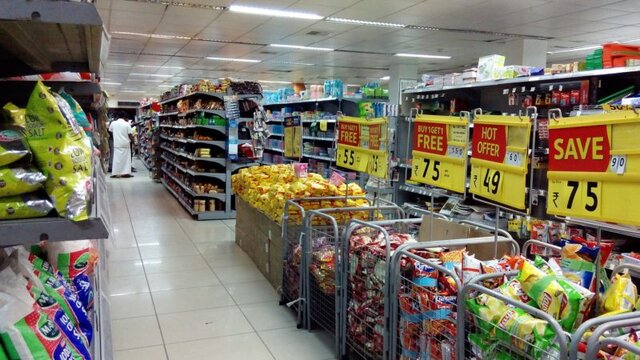
The biggest impact you can have on your savings around food is eating at home more and buying what you need at places that cost you less.
We shop at Pak ‘n Save. They’re the biggest and overall cheapest supermarkets in New Zealand.
They have their own store brands, like ‘Pams’ and ‘Value’, which are often cheaper than the other products offered in store.
Just substituting out the brands you usually buy for cheaper ones can save you dollars. I buy store-brand staples like tinned tomatoes, tinned fruit, toilet paper, and pasta. My savings are paying down my debt faster.
Buying things in bulk when they’re on special can be a money-saver too. I buy Moccona coffee this way every time it’s on special because my husband loves it. It’s pretty expensive usually, so I buy a few when it’s cheaper.
Other money-saving food hacks are to buy cheaper meats like mince, soup bones, and chicken.
Some supermarkets have days and times when you can get meat and fresh produce at reduced prices. Find out if your local shop does that and buy in bulk if you can, then divide the packs into meal-sized portions and freeze what you won’t use right away.
Another food hack is to add fillers like beans and lentils to meals to make them go further, to cook in bulk, and freeze leftovers to use another time.
If you have fresh fruit and veg that you don’t think you’ll get through while it’s still good, process and freeze it to avoid chucking it out later. These frozen bits and pieces can be added to smoothies, stews, or soups as you make them.
Also good to know: if you have or are having a baby, breastfeeding can save you money if you’re able to do it.
Gear for You or Your Kids
You can save a packet on things you use or wear for only a short while by not buying everything new.
Once you get into the groove of used shopping, you’ll find there are very few things you need to buy brand new, and once you realise how easy and cheap life can be, you’ll never go back.
Swapping, borrowing, and giving between friends, or buying used stuff, saves you a lot and also helps you model frugality to your kids, teaching them about the value of money.
Great places to buy or trade items are charity shops, Trademe (NZ), Craigslist (international, now covering Auckland, Dunedin, Wellington & Christchurch), and Facebook groups in your local area.
You could even get several things you want or need for free if you keep an eye on sites like Freestuff.
People also sometimes put things on their front verge if they want to give them away, but only take these if there’s no ‘for sale’ sign. If you’re unsure whether it’s a giveaway, knock and ask first.
Hobbies

Spending time together at a beach, river, park, or on a bike is good for your health and your wallet.
When you want to save seriously, try to engage in a range of hobbies that don’t require large outlays. We failed. Our boys seem to be getting into motorbike riding… seriously fun, though potentially seriously expensive.
However, many hobby-related items can be bought cheaper second hand, swapped, or borrowed until you know you’ll be sticking with it.
We bought most of our motorbike gear this way so far and have no regrets. Once we have a better idea of the gear we like best and who’s likely to keep riding, we’ll probably buy the brands we like used, and keep saving ourselves a packet that way.
*Post contains affiliate links so we earn when you purchase through them at no cost to you.
D.I.Y.

Another way to cut down your costs is to do your own work wherever possible, to save a ton on labour. If there’s something you’ve never done before, how about upskilling?
It’s amazing what you can learn from the internet these days. We renovated our first house and built ourselves a house bus with our teacher and mentor, YouTube.
Of course, some work, like electrical and gas installations, has to legally be done by qualified experts. But for many things, like painting, mowing lawns, or washing your car, doing it yourself will save you dollars you can invest elsewhere.
One tip that’ll have you living more frugally, and often better for the environment at the same time, is to make your own cleaning products.
I use baking soda and vinegar for cleaning and other household jobs around our place. It’s much kinder to my hands than harsh chemical cleaners. And cheaper too.
We also use sodium percarbonate and washing soda crystals, which have a ton of uses each and are also natural products. They’re great for cleaning burnt pots, stain removal, and drains, among other things.
You can go even further and make your own laundry powder, which could be excellent if anyone in your family has skin sensitivities.
Here’s how to make your own laundry powder or liquid. For greater ease, try substituting Lux soap flakes for the grated soap and see how it goes. Borax is available at Bunnings NZ or Amazon if you’re looking for it.
Transport & Travel
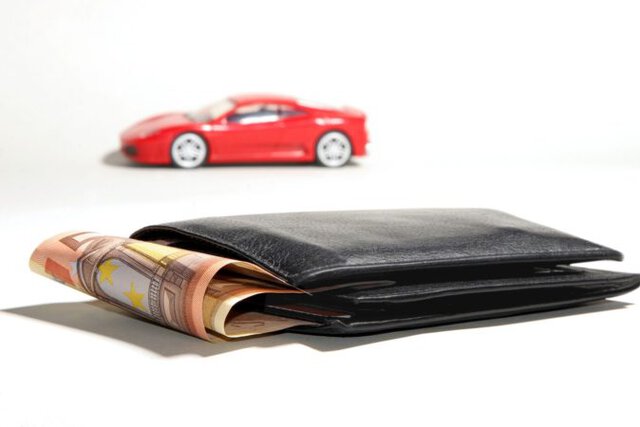
A recent New Zealand census found that 92.1% of households had at least one car. Two vehicles per household was the most common, at 38.4%. 37.6% of households had one car, and 16.1% had at least three vehicles. *source – autofile
I guess the question is, do you need a car, or two? Could you walk, bike, or catch a train instead? Is carpooling an option for you?
Since owning a vehicle means you have fixed and flexible costs, you might be wondering what the annual cost of one works out to be.
Fixed costs don’t change even if you leave the car parked up. They include expenses like vehicle insurance, Warrant of Fitness (WOF), vehicle licensing, depreciation, and any interest accrued under finance.
According to the Automobile Association, a small car could have a fixed yearly cost of $4,500, which equates to $12.30 per day, though this varies according to the vehicle’s age, how long you’ve owned it, and the purchase price.
Vehicle depreciation is the largest contributing factor to a new vehicle’s running cost, since a new vehicle purchased four years ago for $26,600 may have depreciated by 50%. That money is lost.
A great way to save money is to buy good used cars. They may still lose value over time, but the percentage difference is significantly lower.
Flexible costs reflect all the consumables, like fuel, tyres, repairs, and maintenance.
The AA calculates that a small car driven about 14,000 km a year has a total fuel bill of about NZ$2,400. Tyres cost about $266 each year if they last three years, and repairs and maintenance run about $550.
Combine fixed and flexible costs, and it’s a total of around $21 per day for smaller vehicles, and more for bigger cars.
Other things to factor in are driver licence renewal, extended warranties, breakdown service subscriptions, diesel road user charges, and parking costs.
To save money, shopping around can often help you find a good deal on repairs and maintenance, but don’t scrimp on safety items and insurance.
If you can choose your living location, could you move closer to amenities so you can bike or walk wherever you need to go and save yourself the full cost of car ownership?
If that’s not an option, planning ahead will help you combine errands and make fewer driving trips, saving you time and money on fuel. If you want or must have a car, consider going electric and saving yourself a stack on fuel.
We have a Nissan Leaf, and in three years we’ve made back its cost in the fuel we’ve saved, since most charging stations in Auckland currently provide free power for electric vehicles.
Also, because it’s a post-2000 model, we only need a WOF annually rather than every six months (this applies to fuel vehicles too). It also has very few things that need servicing, and our only cost so far has been tyres.
Entertainment

Invite your friends over for a BYO pot-luck dinner, a bonfire, BBQ, games, or pizza night instead of going out.
Do fun, free outdoor activities like local hikes, orienteering tracks, dams, camping, or the beach.
Before you buy entertainment tickets, check out sites like Bookme to see if you can get two-for-one deals or discounts on activity entrance rates. I always use it when I go to places like the zoo, mini-golf, or high ropes courses.
Do free activities around your town, or create a scavenger hunt or amazing-race-style game to play with your family or a few others.
Swap books. Whenever you’ve read a book, swap it for another somewhere.
We have local book boxes where you can swap in the community. These are great and often turn over, so there’s always something fresh in them.
Our local school just set up an old fridge as a book swap. They’ve filled it with multi-level children’s books and painted it brightly. Kids swap books in and out daily.
If you haven’t got one near you, why not set one up? Asking on Facebook often turns up an unwanted fridge that could house them nicely, even out in the weather.
Also, if you make friends with your local charity shop, they might even swap a few books in and out for you if you have a voracious reader in your family.
Neighbours, friends, and homeschool networks are other good sources for networking and swapping resources.
To hold on to your dollars for longer, watch movies at home with popcorn. Instead of going out to cinemas, you could rent DVDs, borrow from friends, or sign up for annual subscriptions like Netflix or Disney+.
These are a luxury, but they keep everyone entertained for less than the cost of Sky or a few sets of movie tickets.
Head to the library. They’re usually warm, social, calm places to spend time and won’t cost you a dime, unless you’re printing or you lose or damage their resources. They even put on a host of kids’ activities for free. Love it.
Local library services loan books – including audiobooks and large-print versions – for all ages, along with magazines, CDs, DVDs, newspapers, and even puzzles.
If you don’t want the hassle of getting there, why not sign up for the BorrowBox or Libby apps? With these, you can read a huge range of fiction and non-fiction on your favourite device without needing to visit the library.
You borrow books to your virtual shelf, and after 21 days usually, they self-return, so you’ll never pay fines this way either – that’s money-saving for a start!
These apps saved us while we were travelling – no books to lug around or lose, just a little digital reader and a free membership for endless reading hours.
Join a toy library. Instead of buying new toys as your kids move through development stages, join a toy library. Prices vary between regions.
This one in South Auckland, N.Z. only charges $20 a term and has several days during the week when you can go and swap toys, so you always have fresh ones to play with at a fraction of the cost of buying them all yourself. Plus, you’ll save on storage costs.
If you prefer to buy your own toys, another way to save is by swapping them with others periodically, buying second-hand ones off Trademe or Facebook, or picking them up at garage sales and school galas, where they’re often dirt cheap.
Personal
If you’ve got saving targets you’re serious about, think about quitting or modifying some of your personal habits.
Lots of people love coffee, but if you indulge in a $5 hot drink daily Monday to Friday, the cost adds up to $1,300 a year. If instead you invested that at a 7% annual return, you’d have $53,294 in twenty years. That’s a lot to pay for a latte habit!
Giving things up cold turkey can be pretty hard and unpleasant, so if that thought makes you wince, try an alternative: buy yourself a reusable travel mug. Take it full of your favourite hot drink when you head to work.
Buying a slimline, leak-proof design makes taking your cup in vehicles easier and cleaner. And it’ll warm you up, save you the retail buying cost and time (no waiting or stops at the coffee cart), and help reduce waste to landfill.
If the thought of instant coffee is unbearable at this point, could buying yourself a home coffee or espresso machine still save you money in the long run?
Something to check before you buy, if you go this route, is the cost of refills or pods, as this can make some models much more costly than others, even if their initial purchase price is lower.
Research for the win. Consumer magazine is a good resource for buying advice and product reviews across the board. You might even be able to access free copies through your library’s digital lending collection.





Buying items well once can save you time and replacement costs. This is because cheaper versions often wear or break down quicker, but it’s ultimately up to you as the buyer to weigh the potential cost versus benefit.
For example, if I’ll only be using a tool for a short time, I tend to go for a cheaper option like Ozito, which will do the job at hand.
If I’m going to be using it a lot, buying for the long term, or hoping to get many years and ease of use from it, I’d prefer to buy Black & Decker, DeWalt, or Makita, as I’ve found they last better.
While initially more expensive, they pay for themselves in reliability over time, making me a happier camper. Being cheap is different from living frugally — I often prefer quality over quantity.
Haircuts
Could you do some or all of them at home and save money on haircuts forever?
I now cut 3 of our family members’ hair with a Wahl clipper set as needed, and we pocket the barber’s cut, as it were.
Women’s cuts often cost more, so dropping those costs could save you even more over time.
Of course, not everyone’s keen to go that far, but if you are, there are plenty of online videos that can teach you how to restyle or do a layered ladies’ cut, for example.
I read a post about the Frugalwoods couple who gave DIY haircutting a shot. They’re still married, it turns out, and now save on haircut costs forever! You can read their story here.
Money

Often people spend the money they have to, but miss out on extra bonuses they could have had if they’d known about them.
Rakuten (formerly Ebates), BeFrugal, and Swagbucks are like this.
You buy things online using them in your browser, and you earn cashback via gift cards, PayPal, or discounts.
Individual savings may seem small, but they add up, and every dollar you save is a dollar saved.
As a bonus, with Rakuten, when you join and refer a friend, and they join and spend $25, you get $25 and they get $10!
BeFrugal has a refer-a-friend $10 deal once you’re signed up too, and Swagbucks gives you points for purchasing online, answering questionnaires, and even playing games.
We took a year’s subscription with Disney+ for $99 earlier in the year, as we felt it would give us endless in-house entertainment, especially in the winter.
If I bought it again, I’d have used my Swagbucks.
You sign up to Swagbucks for free, and then they reward members with free gift cards and cash for the everyday things they already do online.
I’ve got the extension installed now, so when I shop online, it shows me the cashback I’m eligible for.
You can earn Swagbucks points for online shopping, watching videos, searching the web, and answering surveys, then redeem your points for free gift cards at major retailers like Amazon and Walmart, or get cashback through PayPal.
Most of these things I already do, but now I get extra credit for doing them – $1 for every 100 points I earn, so it adds up.
Once you’re signed up, you can also earn hundreds of points for referring others to Swagbucks or the Swagbutton.
If I’d had my Swagbucks activated before buying my Disney+ subscription, I’d have earned 1,000 Swagbucks points for nothing extra, which would have given me free vouchers on my first purchase.
Effectively, I would have bought my Disney+ subscription for $89, meaning more money in my pocket.
Not a lot of money, perhaps, but it’s money we’d get back for buying stuff we were going to buy anyway!
Cashback rewards are awesome – they’re the simplest way to earn something for nothing.
Getting Money Smarter
If you’ve been wondering how to live more frugally and spend less money in order to live the life you want, I hope this post has been useful.
If you find yourself hungry for more information about personal finance and other steps you can take to achieve your dream of more time and money freedom, I can recommend the following books.
Barefoot Investor

Scott Pape is a financial advisor in Australia, and in this book he writes about how to get a grip on your finances and take your partner along with you. He’s funny and simplifies it all down so you don’t get too much brain-ache. He also gives specific, practical things to do in each section. He’s the naked chef of personal finance, and he wants you to come out on top. He’s also published a book to help families teach their kids money smarts.
Flee 9 – 5

Ben Angel offers ideas on how to discover what you want to do, how to ditch your traditional 9-to-5 job, and build the future you want in less time than you think.
The $100 Startup

An easy read about how ordinary people can build solid livings, with independence and purpose, on their own terms.
The author has travelled the world turning ideas into income, and in this book he looks at what makes startups successful, and how all you need is a product or service that springs from what you love to do anyway, people willing to pay, and a way to get paid.
It’s up to you to change your life, and in this book you’ll find out how.
Financial Freedom

Financial Freedom is a step-by-step path to making more money in less time, so you have more time for the things you love.
It details how he went from down and out at 24 years old, with $2.26 in the bank, to a financially free millionaire by age 30.
In his book, he details what he did, and what you can do, to spend less, save more, and hustle your way to more time and money to do what you want.
If you’re serious about early retirement, or about changing how you think about money, read this soon.
Money Master The Game

Tony interviewed several of the world’s most successful money people, and using the information he gathered, explains financial concepts in a way regular people can understand.
I wrote screeds of notes and learned a lot about financial freedom from this book.
Total Money Makeover
Dave Ramsey has long-term success in the personal finance world. I loved this book’s straightforward plan for how to get ahead with your money.
It’ll teach you solid saving and investing principles, and how to put his 7 Baby Steps towards financial wealth into practice, to make you financially fitter than ever. He has podcasts and a radio show you can follow too.
If you’re short on time and have to pick only one of these books, go for ‘Financial Freedom’ in audiobook format to start with.
It’s packed full of ideas and concepts that will thrust you towards time and money freedom when applied. Plus, you can listen while you commute or DIY, so that’s a two-in-one benefit upfront.
If you’ve got time for three books, pick Financial Freedom, The Barefoot Investor, and Total Money Makeover. I’m pretty sure you’ll have a good road-map for getting a firmer grip on your personal finances after that.
Summary
We’ve covered a lot of ways to spend less by being frugal, so I hope you feel inspired to make some of these changes that will get you to your goals quicker.
Spending less can take more effort at first, and it’s a conscious choice. But after a while it gets easier, since there’s less shopping, less browsing online stores, and less worrying about what and when to buy next — which gives you a lot more money and time to do what you love most.
Stay focussed on the long game and the exponential benefits of making small frugal changes to your life, but also give yourself grace if you slip up on occasion.
If you do go off-track, reorient, and ‘keep your eyes on the prize’ (your goals), and you’re likely to find yourself with more money and time than you ever imagined.
What are your favourite frugal or money-saving tips? Is there something you’re going to try right away to reduce your spending? Let me know in the comments, and please pin this post using one of the images below.




Other great posts you might enjoy:
21 Super Easy Ways to Save Money
How to Save Money on Necessities

Meagan

Great post. Very thorough
Thanks Mike! It’s great to hear you think that.